
Low Barrier to Entry
Understanding the Concept
When I first dove into the world of digital products, I was overwhelmed by the complexity of it all. But the beauty of mini digital products is their simplicity. Unlike developing a full-blown course or a hefty eBook, mini products are usually smaller in scale and require less upfront investment in terms of time and resources. This means that as a solopreneur, you can get rolling without breaking the bank.
Think about it—mini digital products can be anything from a brief guide, a checklist, or even a small template. These compressed offerings make it feasible for us to start creating and selling almost immediately. You can whip up simple resources that hold value for your audience without the pressure of perfection.
Plus, because they’re easier to create, you’re more likely to see results sooner. It can be incredibly satisfying to receive that first email from someone thanking you for a product you created. It solidifies the fact that your ideas are worth something, encouraging me to create even more.
Quick Feedback Loop
Learn What Works
One of the most rewarding aspects of launching mini digital products is the rapid feedback I receive from my customers. Because these products are typically smaller, people feel more inclined to give them a shot. I usually put my mini products out there for sale quickly, and shortly after, I start getting helpful feedback. This leads me to learn what resonates with my audience almost instantly.
I remember my first mini eBook—less than 50 pages and packed with valuable insights. The reviews came rolling in, and it wasn’t long until I discovered what aspects they loved and what parts fell flat. Each piece of feedback became a stepping stone, guiding me to refine my future products. This agile approach ensures that every product iteration is better than the last.
You can use this quick feedback to adjust your marketing strategy too. If something’s not working, make some tweaks based on real data rather than guesswork. It truly allows me to engage with my community, building a better understanding of their needs.
Building Your Brand
Establishing Authority
As I crafted these smaller products, I realized they served as not just income, but also a tool for brand establishment. When you create mini digital products, you’re showcasing your expertise in a fascinating way. Every time I launched a mini product, it positioned me as an authority in my niche. My audience began to see me as someone who has valuable insights to share, and that can’t be understated.
Mini products allow you to showcase snippets of your knowledge. If you’re someone who coaches on wellness, for example, a mini guide on quick daily habits can give prospective clients a taste of what you offer. It’s a taste test of your full potential, which is far more enticing than a big, intimidating course.
Over time, I’ve built a reputation as a go-to resource due to the value I consistently provide through these mini products. It’s about establishing trust, and once you have that, it’s much easier to upsell bigger programs or services later.
Low-Cost Marketing
Maximizing ROI
Creating and selling mini digital products opens the door to affordable marketing opportunities. I’ve learned that with a little creativity, I can reach my target audience without emptying my pockets. Using social media, email newsletters, and even blog posts, I market my mini products with minimal expenditure, making my return on investment soar.
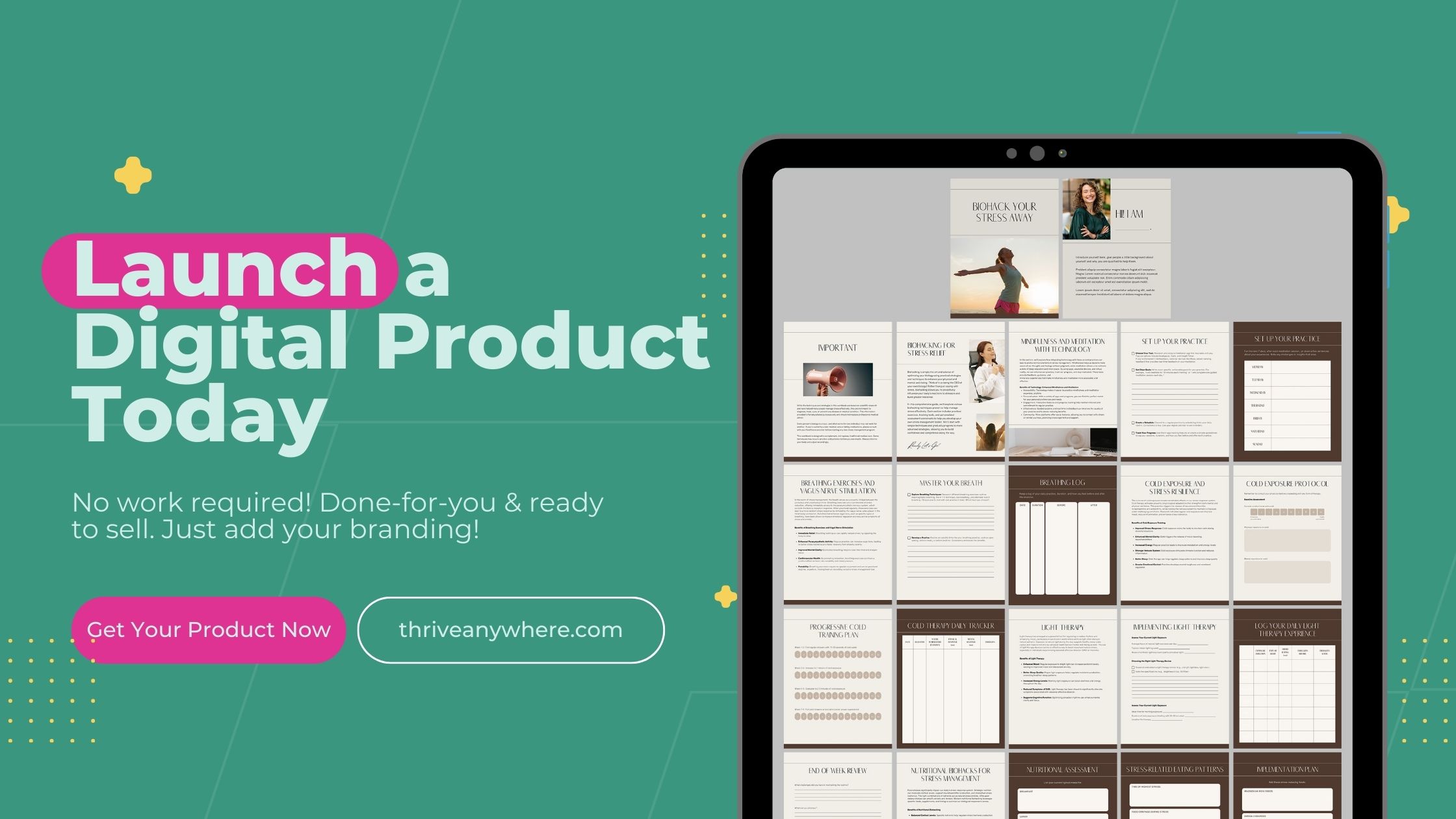
For instance, when I first released a set of templates, I simply posted about them on my various platforms. I didn’t spend a dime on advertisements, yet they sold well because my audience was already engaged and interested in what I had to offer. It was like a light bulb moment for me! Keeping my marketing costs low while generating sales felt like a sweet victory.

Additionally, the data I gathered during the sales process helped me tailor future marketing strategies. I could see which platforms were performing best, allowing me to focus my efforts on what worked. That’s the beauty of starting small; it minimizes risk while maximizing your creative energy.
Flexibility and Scalability
Adapt to Trends
Flexibility is key in today’s fast-paced world, and mini digital products grant me the freedom to pivot as needed. When trends shift or I identify a new pain point my audience is experiencing, I can swiftly create a mini product around that concept. It allows me to stay relevant and responsive to my customer’s evolving needs.
For example, during the pandemic, I saw a rise in interest surrounding remote work. I quickly developed a mini product that provided essential tips for working from home efficiently. The immediate response was phenomenal, and it proved to me just how critical adaptability is in maintaining a successful business.
What’s even cooler? Once you’ve nailed the mini product concept, scaling becomes a breeze. I can bundle products together or even expand on them to create more extensive offerings, seamlessly growing my portfolio without the initial burden of starting over. It’s an exciting process that keeps my business fresh and ever-evolving!
Related Content
- Sell Digital Products Business: Boost Revenue Today
- 7 Essential Tips for Dealing with Etsy Store Closed After Purchase Reddit
- Grow a Massive Following That Eagerly Awaits Your Next Digital Release
- The Email Sequence That Sells Digital Products While You Sleep
- Proven Strategies to Amplify Your Earnings Selling Online Content